
How to Choose the Right Lot for Your Custom Home in Colorado Springs
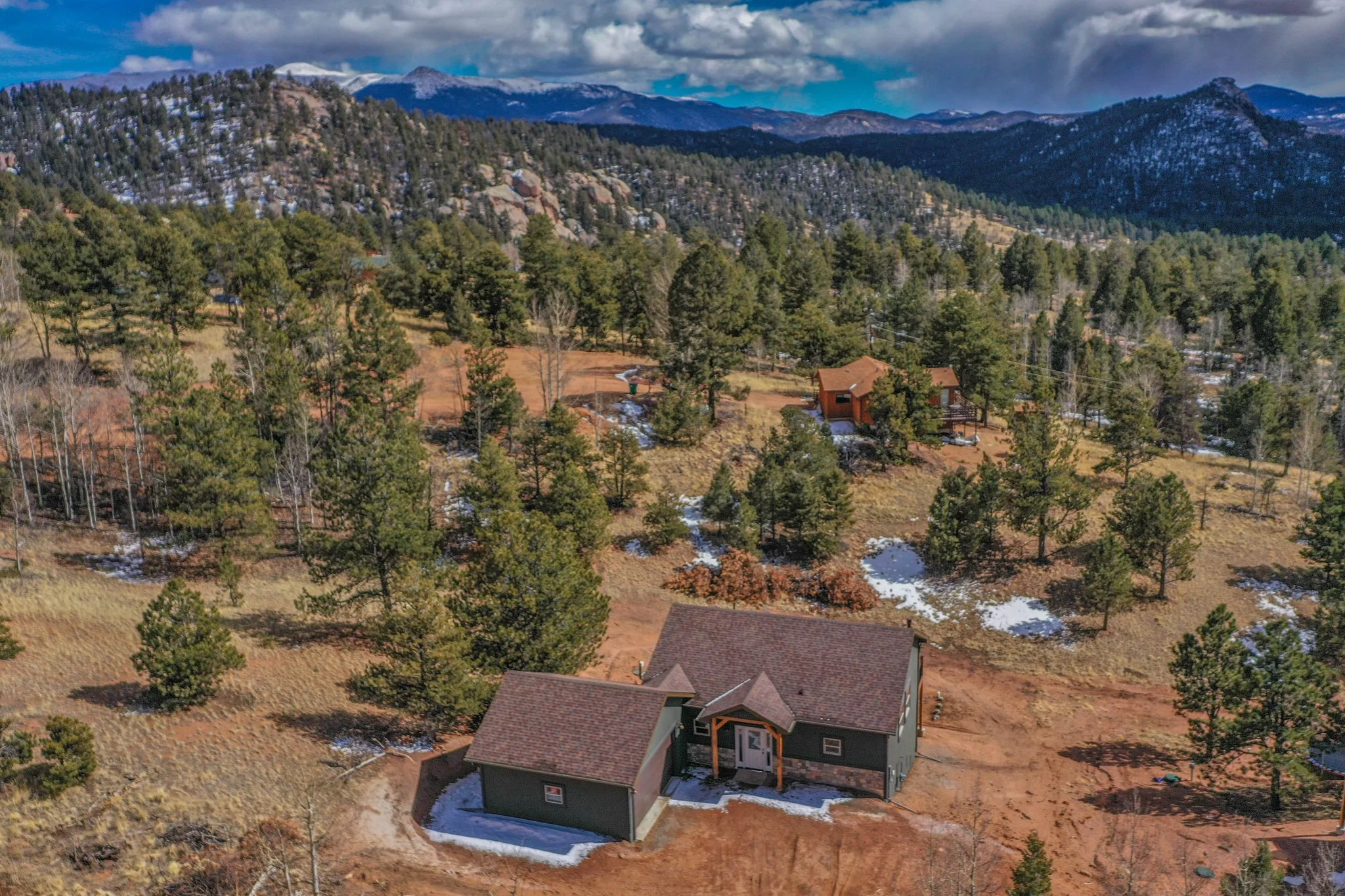
Most people spend a lot of time thinking about the home they want to build. They spend less time thinking about the land they are going to build it on.
That is worth reconsidering. The lot you choose shapes your home in ways that go far beyond location. It affects your design options, your foundation, your budget, and your timeline. Getting it right from the beginning makes everything easier.
Here is what to think through when evaluating land in Colorado Springs.
Zoning and what it allows
Not every piece of land can be built on, and not every residential lot allows the type of home you have in mind. Before you get attached to a piece of property, confirm:
• The zoning designation and what structures are permitted
• Minimum setbacks (how close to property lines you can build)
• Maximum lot coverage and building height
• Whether an ADU or outbuilding is allowed
Zoning requirements vary between the City of Colorado Springs and unincorporated El Paso County, so the address alone does not tell you enough. Your builder or a local civil engineer can help you confirm what a specific parcel allows.
Utilities and access
Raw land in Colorado Springs, particularly in the foothills and more rural areas east of the city, often lacks utilities at the parcel boundary. Extending water, sewer, gas, and power to a site adds cost and time.
Before purchasing land, find out:
• Is the property on municipal water and sewer, or will it require a well and septic system?
• Is natural gas available, or will you rely on propane?
• How far is the nearest electric service, and who is responsible for the extension?
• Is there legal road access, or will you need to establish an easement?
These factors can significantly affect your total project cost and should be part of your due diligence before any offer is made.
Terrain and soil conditions
Colorado Springs lots range from flat and straightforward to steeply sloped with rocky soil and limited equipment access. Both can work, but they have very different implications for your foundation, site work, and overall budget.
A sloped lot may require significant grading, retaining walls, or a walkout basement design. Rocky soil can complicate excavation. Expansive soils, common in parts of the region, require specialized foundation engineering.
A site visit with your builder before you close on the land is one of the best investments you can make. They can identify potential issues and give you a realistic sense of what the site will cost to develop.
HOAs and covenants
Many Colorado Springs communities have homeowners associations with architectural guidelines that affect what you can build and how. Before purchasing, review any covenants, conditions, and restrictions (CC&Rs) associated with the property.
Pay attention to restrictions on:
• Exterior materials and colors
• Roof pitch and style
• Garage orientation and size
• Fencing, landscaping, and outbuildings
• Construction timelines
Some restrictions are minor. Others are significant enough to affect whether a lot works for the home you have in mind.
Views, orientation, and long-term livability
Beyond the technical factors, think about how the lot will feel to live on.
In Colorado Springs, solar orientation matters. A lot that allows south-facing windows captures passive solar heat in the winter, which affects both comfort and energy costs. A lot with mountain views to the west may also bring afternoon wind and weather exposure.
Think about how the lot relates to neighbors, roads, and noise. Think about where the sun rises and sets relative to your main living spaces. These things shape the everyday experience of your home.
Final thoughts
The right lot is not just the one that looks good on a map. It is the one that works for your home, your budget, and the way you want to live.
If you are evaluating land in Colorado Springs and want a builder's perspective before you commit, we are happy to walk a site with you and help you think it through.