
Building in Colorado Springs: Terrain, Weather, and What Homeowners Should Know
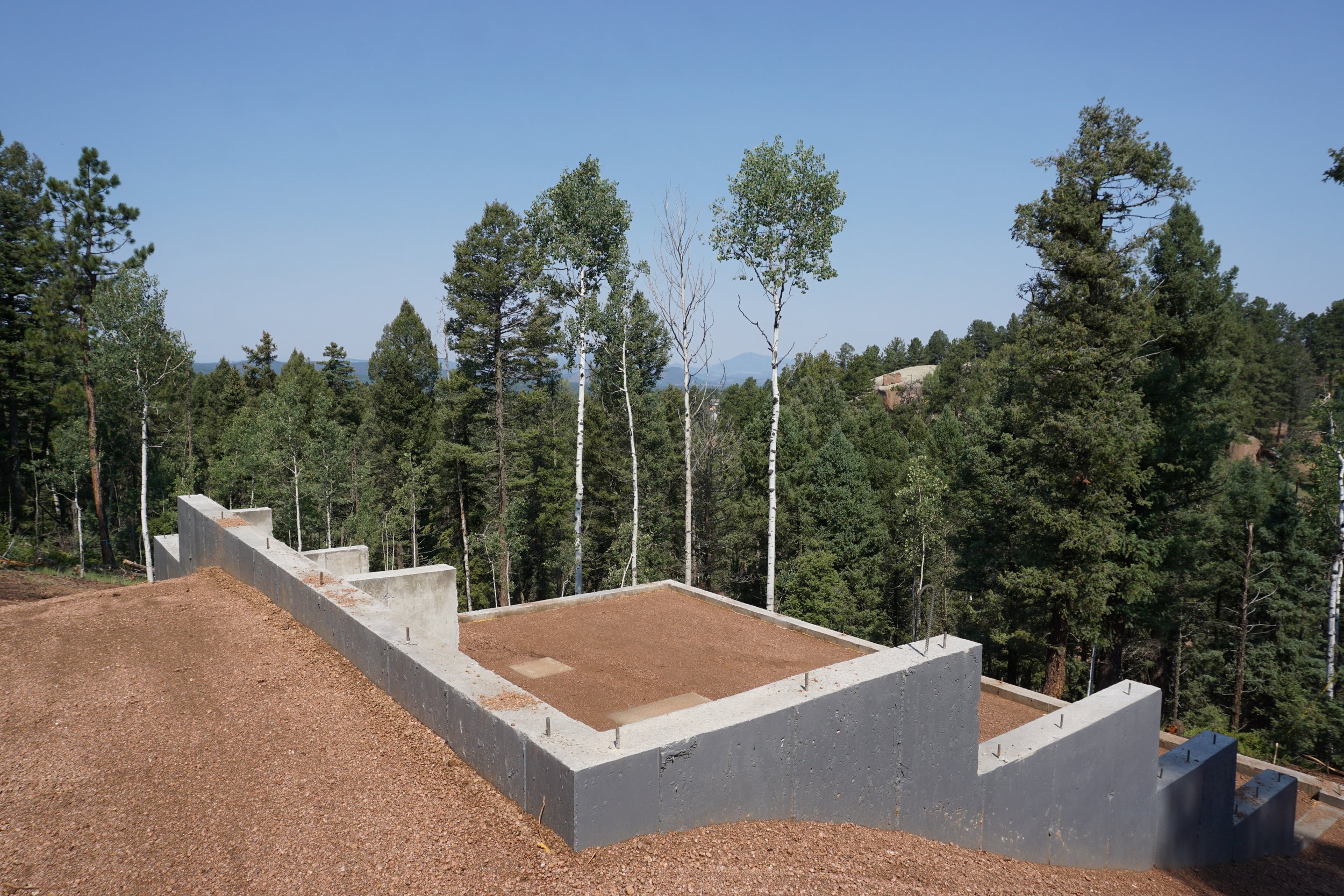
Colorado Springs is an incredible place to build a home, but it’s also a place where local knowledge matters.
From sloped lots and soil conditions to wind, snow, and access challenges, building here comes with unique considerations that can significantly impact cost, design, and timeline if they aren’t addressed early.
If you’re planning a custom home in Colorado Springs, this guide walks through the most important local factors homeowners should understand before moving forward.
Colorado Springs Terrain: Not All Lots Are Created Equal
One of the biggest differences between building in Colorado Springs and other regions is the land itself.
Many residential lots involve:
Slopes or elevation changes
Rock-heavy soil
Expansive or variable soil conditions
Limited access for equipment
These factors affect:
Foundation design
Excavation scope
Retaining walls
Driveway construction
Overall site costs
Understanding what your lot requires early allows your builder and design team to plan realistically; rather than reacting later.
Soil Conditions & Foundations
Soil conditions vary widely throughout the Colorado Springs area.
Some locations require:
Additional soil testing
Specialized foundation systems
Structural reinforcement
Skipping or underestimating this step can lead to delays, redesigns, and unexpected costs once construction begins.
A builder familiar with local soil conditions can anticipate these needs and coordinate appropriately during design and pre-construction.
Weather Considerations: Planning for the Reality, Not the Ideal
Colorado Springs weather is beautiful, and unpredictable.
Key factors include:
Snow loads and roof design
Freeze-thaw cycles
High winds
Seasonal construction windows
These realities affect:
Structural engineering
Material selection
Construction sequencing
Schedule planning
Homes designed specifically for the region perform better long-term and experience fewer issues over time.
Access, Utilities, & Logistics
Many Colorado Springs homes are built in areas where:
Utilities require extension
Driveways are long or steep
Construction access is limited
Logistics planning plays a major role in:
Construction efficiency
Safety on site
Cost control
Builders experienced in the area know how to coordinate deliveries, staging, and scheduling to minimize disruptions and delays.
Permitting & Local Requirements
Permitting processes and requirements can vary depending on location within El Paso County and surrounding areas.
Understanding local expectations early helps avoid:
Approval delays
Design revisions
Inspection issues
A builder who regularly works in the region can guide homeowners through these steps and help keep projects moving forward.
Why Local Experience Makes a Difference
Building a custom home isn’t just about the structure, it’s about understanding the environment it will live in.
Local experience allows builders to:
Anticipate challenges before they arise
Design smarter solutions
Communicate realistic expectations
Protect budgets and timelines
This knowledge often makes the difference between a smooth project and a stressful one.
Final Thoughts
Colorado Springs offers incredible opportunities for custom homes, but success starts with planning that reflects the realities of the region.
When terrain, weather, logistics, and permitting are addressed early, homeowners can move forward with confidence and clarity.
The right builder doesn’t just build in Colorado Springs, they understand how to build for it.
If you’re considering a custom home and want to understand how your land and location may impact the build, starting with a local, informed conversation is one of the most valuable first steps.